Have you ever been scrolling through Instagram or Pinterest and stopped because an image was mesmerizing? The colors were dreamy, every detail looked impossibly perfect, and for a split second you wondered, “Wait…is this real?”
Then you looked a little closer.
The lines were too clean. The style was too uniform. The color shading wasn’t quite right. Suddenly, the illusion disappeared, and you realized you weren’t admiring someone’s masterpiece at all. You were looking at an image a computer created in a matter of seconds.
Welcome to the age of AI.
Artificial intelligence is changing the creative landscape faster than anyone imagined. With a few typed prompts, anyone can generate illustrations, logos, product photography—even entire children’s books. It’s an incredible technological achievement, but it’s also forcing us to rethink what we value about art in the first place.
Because here’s the irony: the more polished and plentiful AI-generated images become, the more we’re drawn to the beautifully imperfect things made by human hands.
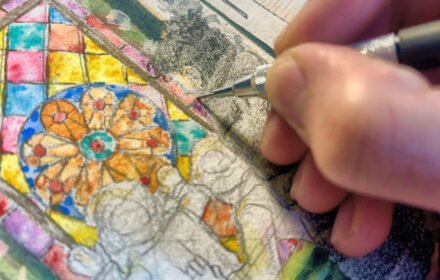
Art has never been memorable because it was flawless. We remember the painting that made us stop in our tracks and want to know more, or the handamde bracelet with tiny tool marks that remind us someone spent hours creating it. Those details aren’t imperfections—they’re proof that a real person was there.
And maybe that’s AI’s greatest surprise. Instead of replacing handmade art, it’s reminding us why we fell in love with it in the first place.
“The more polished and plentiful AI-generated images become, the more we're drawn to the beautifully imperfect things made by human hands.”
The Best Art Always Comes with a Backstory
Think about the last time you wandered through a local art festival. Chances are you didn’t just browse the artwork—you talked with the artist. Maybe they told you how they learned their craft from a grandparent, or how travel abroad inspired an entire collection. Perhaps they laughed while explaining that their best-selling piece almost ended up in the trash because it didn’t turn out the way they expected.
Those conversations become part of the artwork itself. And at OHM Yeah!, that’s something we celebrate every single day.
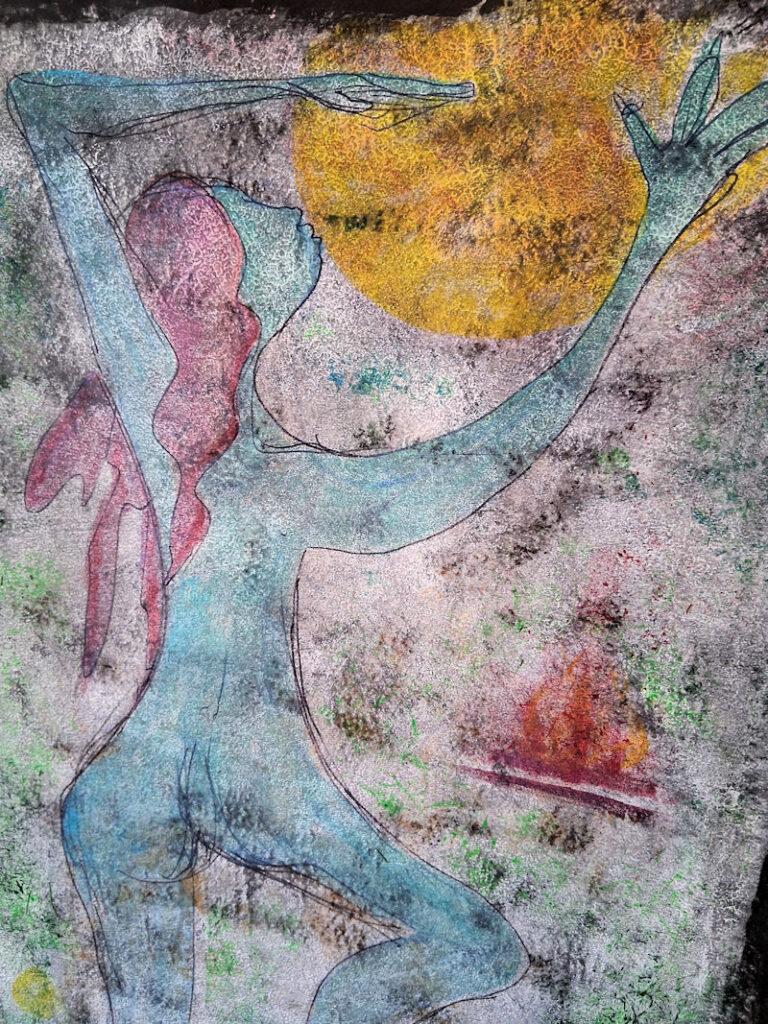
Take artist Carmen Giron. After pruning her orange trees, she doesn’t see broken branches scattered across the ground; she sees possibility. Each branch becomes the beginning of something new—a mixed-media work of art inspired by nature, resilience, and the beauty of giving ordinary things a second life.
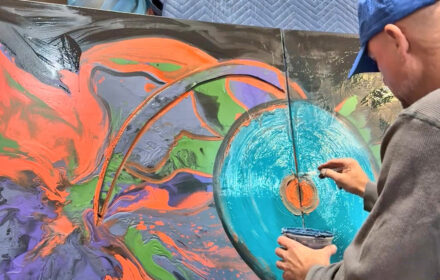
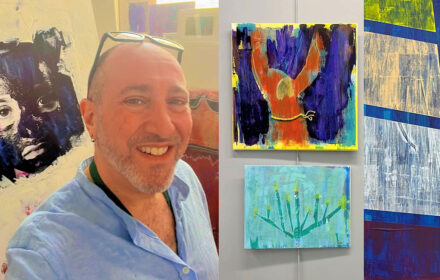
Then there’s Terry Bastian, whose two-sided veil paintings celebrate the fine line between dreams and reality. He explores energy, spirits, faces and figures from his experiences in Belize. His work is soulful, and unmistakably personal because it’s rooted in memories only he has lived.
That’s the beautiful thing about handmade art. Every piece carries pieces of the artist with it—their childhood, their travels, their triumphs, their heartbreaks, their sense of humor, and the countless hours they spent learning their craft.
A computer may be able to imitate a style, but it doesn’t have a life story.
That’s the beautiful thing about handmade art. Every piece carries pieces of the artist with it—their childhood, their travels, their triumphs, their heartbreaks, their sense of humor, and the countless hours they spent learning their craft.
A computer may be able to imitate a style, but it doesn’t have a life story.
“For many artists, the issue isn't about resisting technology—it's about ethics, ownership, and provenance. Each brushstroke, tool mark, bubble, swirl, and hammer mark aren't imperfections- they're the punctuation marks in an artist's story that establishes authenticity.”
The Conversation We Should Have Seen Coming
The debate surrounding AI isn’t really about whether computers can create beautiful images. By now, we know they can.
The bigger question is whether they should—at least in the way many of today’s AI systems have learned to do it.
Much of AI image generation has been trained using enormous collections of artwork gathered from across the internet, often without artists knowing their work had become part of the process. As courts, lawmakers, and technology companies grapple with the legal questions, many artists are asking a much simpler one: Shouldn’t creators have the right to decide how their work is used?
For many artists, the issue isn’t about resisting technology—it’s about ethics, ownership, and provenance. In the art world, provenance is the documented history of a work: who created it, where it came from, and the story that establishes its authenticity.
And authenticity matters.
Every painting, illustration, photograph, or handcrafted piece represents years of learning, experimenting, and developing a creative voice that is uniquely its creator’s. That voice—and the work it produces—should remain theirs to protect, share, and control.
There’s another consequence that’s easy to overlook.
As our feeds fill with an endless stream of computer-generated content, discovering truly original, artist-made work becomes increasingly difficult. Knowing who created a piece, how it was made, and why it exists isn’t just a nice detail—it’s what gives art its meaning. It’s what collectors value, what galleries document, and what creates an emotional connection between the artist and the person who brings that work home.
Ironically, that may be AI’s greatest unintended consequence.
The easier it becomes to generate art, the more we value the one thing a computer can never replicate: a real artist, a real story, and a genuine human connection.
“Just as vinyl reminded us why we loved music, handmade art is reminding us why we value craftsmanship. Sometimes the imperfections are what make something unforgettable.”
Why Handmade Is Having Its Vinyl Moment
Remember when everyone predicted vinyl records would disappear because streaming made every song instantly available?
Instead, vinyl made an incredible comeback.
People don’t buy records today because they’re more convenient. They buy them for the experience. They love flipping through album covers, gently lowering the needle onto the vinyl, and hearing the subtle crackles, rich analog sound, and tiny imperfections that remind them they’re experiencing something authentic—not something polished to perfection.
Handmade art is having a similar moment.
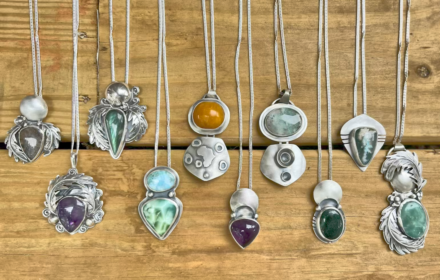
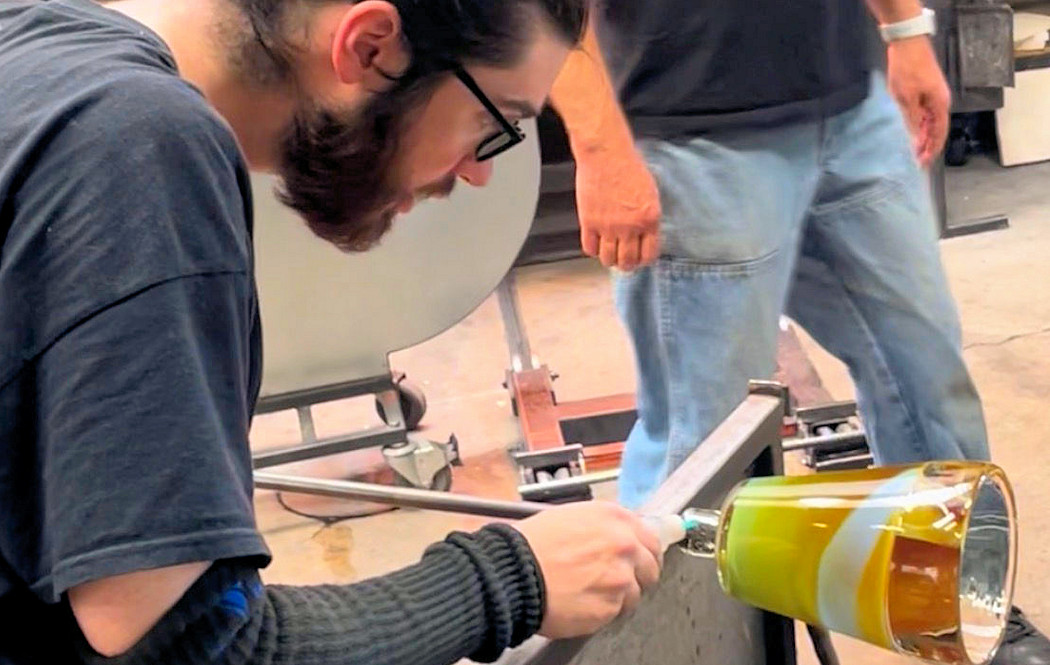
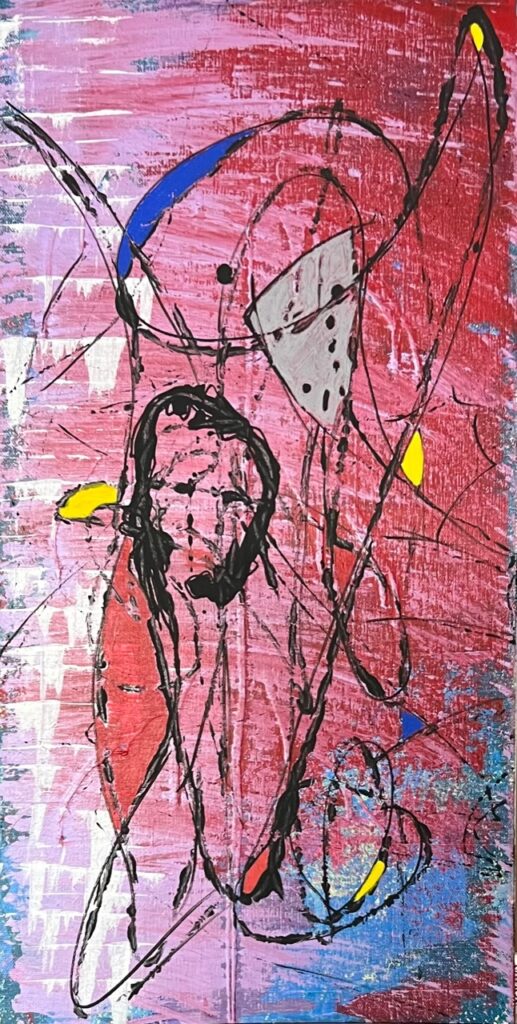
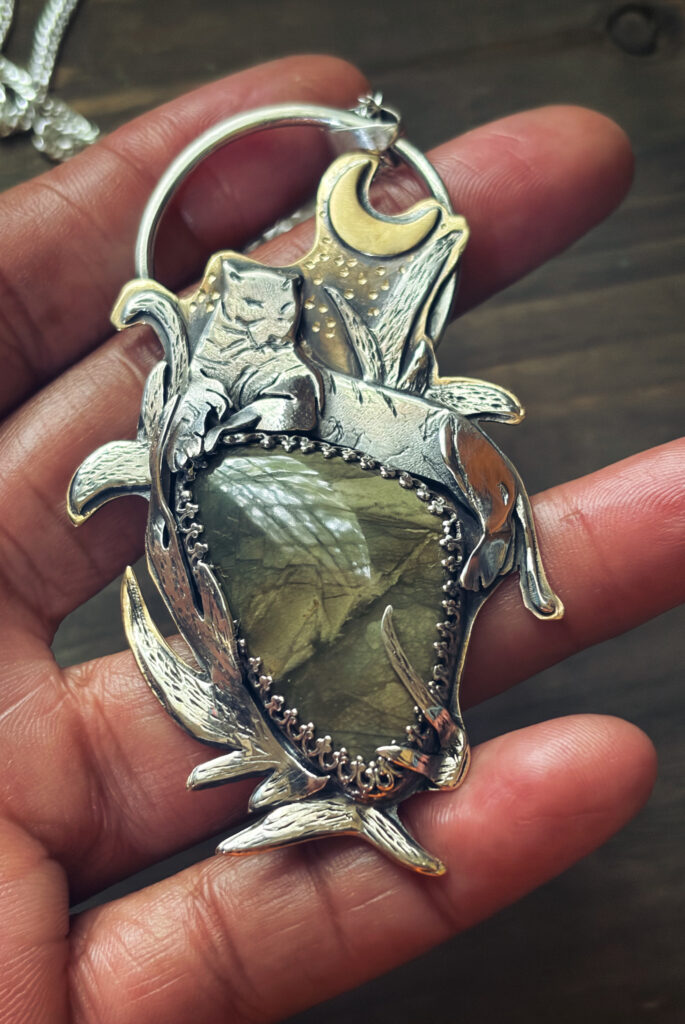
As our screens fill with AI-generated images, many of us are rediscovering the joy of owning something that carries the unmistakable touch of another human being: brushstrokes, tool marks, hammered copper, or the bubbles and swirls that make every piece of hand-blown glass one of a kind.
These aren’t imperfections to be corrected—they’re the punctuation marks in an artist’s story. They remind us that someone was here, creating with patience, intention, and care. And in a world of instant images and endless copies, that human touch becomes the most extraordinary detail of all.
“As AI-generated images become more common, we've all become art detectives. We're searching for the DNA of the real thing - fortunately, authentic craftsmanship leaves clues.”
We’re Becoming Art Detectives
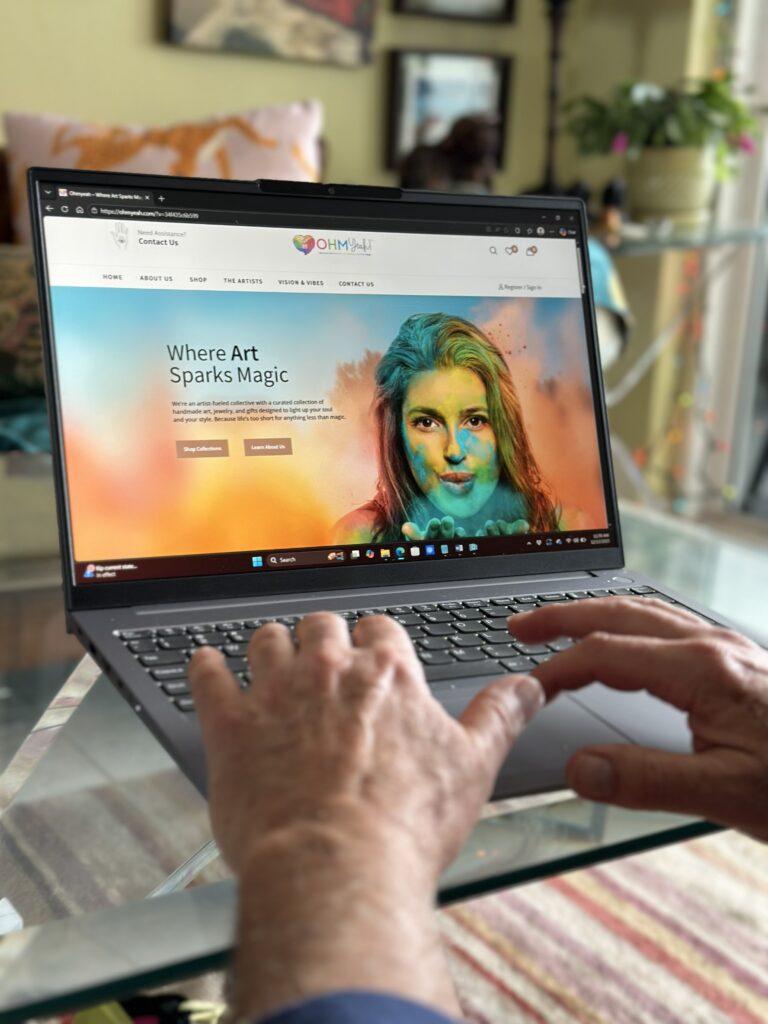
Shopping for handmade art online can feel a little more complicated these days. As AI-generated images become increasingly common, we’ve all become art detectives, looking for the DNA of the real thing.
Fortunately, authentic craftsmanship leaves clues.
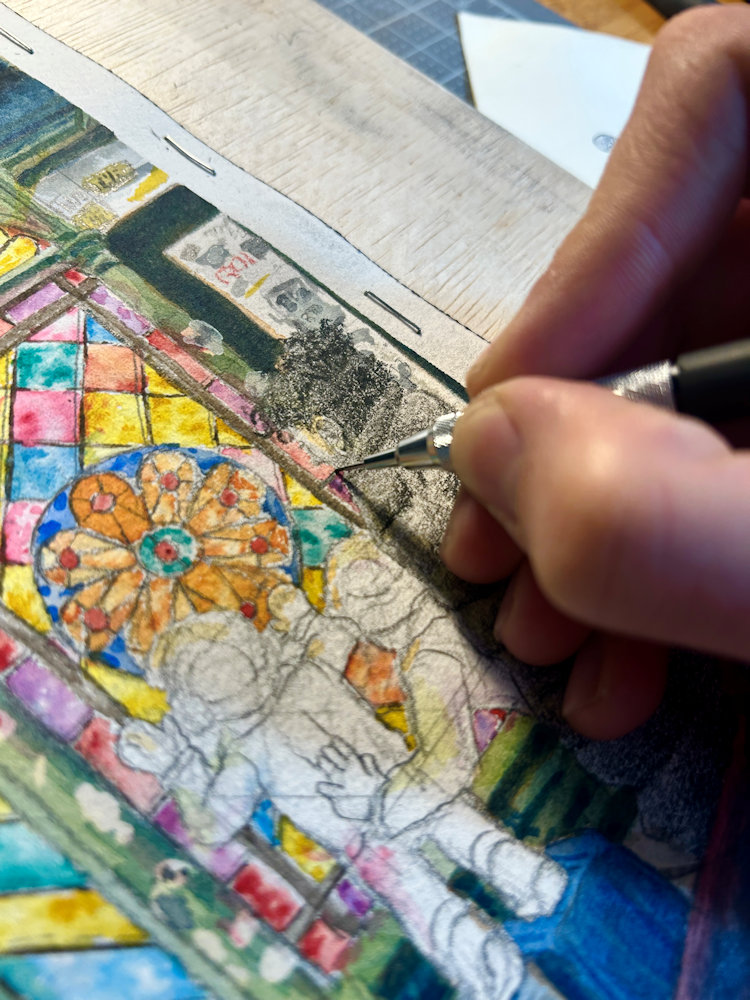
Look beyond the finished piece and discover the artist behind it. Read their story. Peek inside their studio—look for photos of the creative process. Notice the subtle variations, textures, and tiny imperfections that naturally occur when something is made by hand. Those aren’t flaws; they’re the roadmap of the artist’s creative journey.
Don’t be afraid to ask questions. Independent artists are delighted to share the inspiration behind their work, the materials they use, and the techniques they’ve spent years perfecting. Those conversations become part of the piece’s provenance—its story, its authenticity, and its connection to the person who created it.
Because when you bring home handmade art, you’re taking home much more than an object.
You’re bringing home a story, a craft, and a small piece of someone’s life.
“Knowing who created a piece, how it was made, and why it exists isn't just a nice detail- it's what gives art its meaning. Every handmade piece at OHM comes with something no algorithm can generate. A real artist. A real story. A real human connection.”
Why OHM Yeah! Will Always Choose Human Made
At OHM Yeah!, we’ve always believed that the most meaningful things aren’t mass-produced—they’re made with intention.
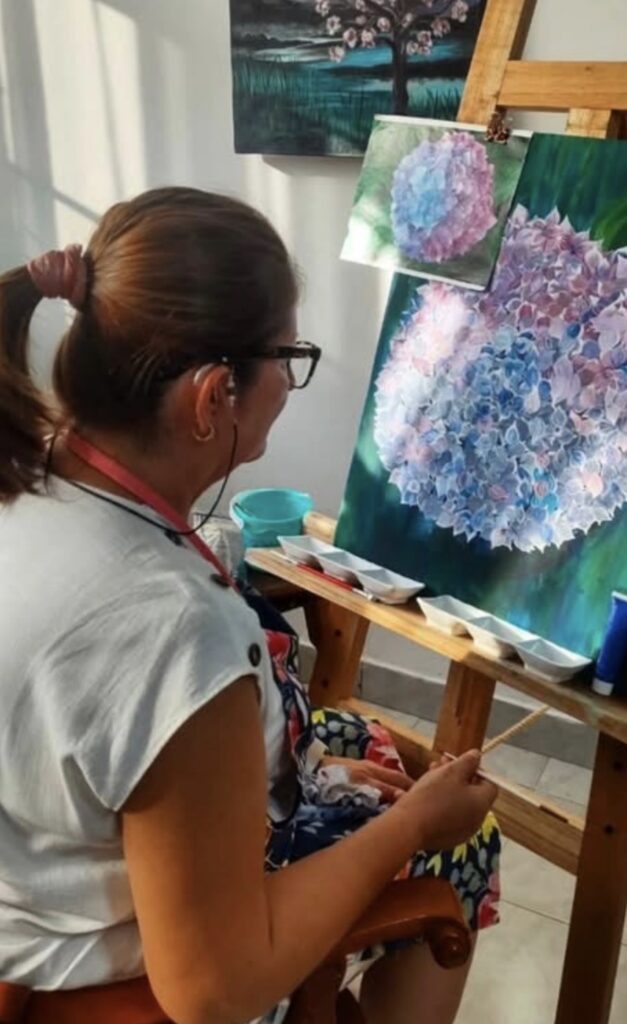
Every painting, handcrafted necklace, copper bowl, glass sculpture, and one-of-a-kind treasure you’ll find in our marketplace begins with an independent artist who chose to create something from the heart instead of something from a prompt.
Technology will continue to evolve, and creativity will evolve with it. But we also believe there will always be a place for the wonderfully imperfect handmade pieces that can only come from human hands.
Because art has never been just about the finished piece. It’s about the story behind it, the person who created it, and the connection it creates with the person who brings it home.
In a world where almost anything can be generated instantly, that’s a story worth preserving.
Discover Real Art, Real Artists, Real Connections on OHMyeah.com
We’re a community built by artists, for artists, and for anyone drawn to something real. When you buy here, you’re buying directly from the artists – supporting their dreams, hustle, and handmade magic.
 Find your next obession